Media & Journalism Program
Content Creation & Journalism Skills for Career Readiness
Program Overview
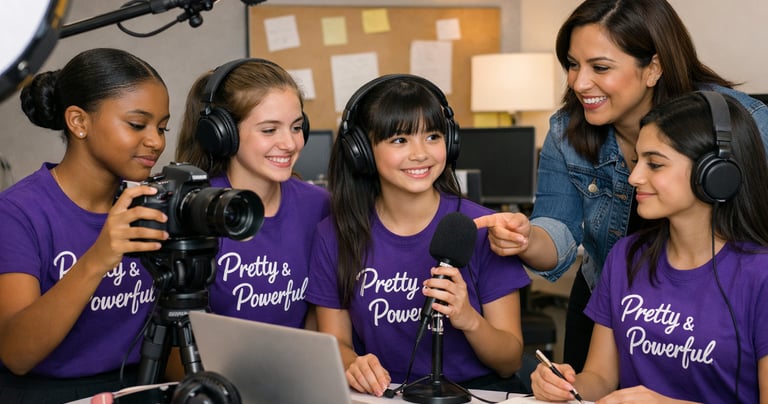
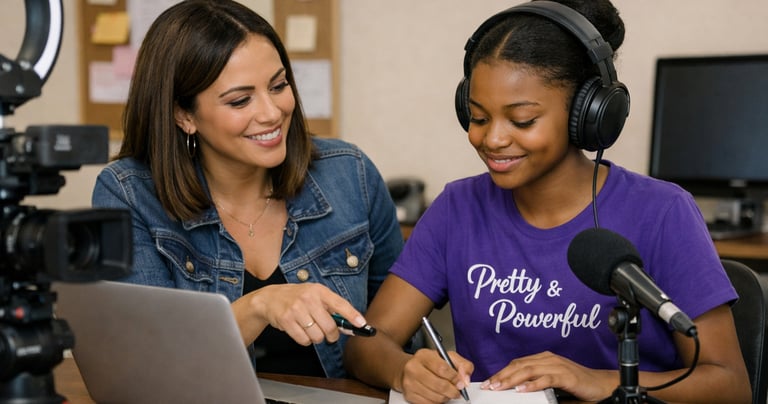
The Media & Journalism Program prepares students for careers in journalism, digital media, broadcasting, and social media content creation. Through hands-on projects, industry-standard tools, and real-world applications, students develop technical skills, professional competencies, and critical thinking abilities essential for success in the media and communications industry. This CTE program aligns with national career clusters and prepares students for post-secondary education, industry certifications, and direct entry into media careers.
Core Technical Competencies
✓ Journalism Fundamentals & Reporting
Master the foundations of professional journalism:
Understand journalism ethics, standards, and best practices
Research and fact-checking techniques
Interviewing skills and source development
Story structure and news writing (inverted pyramid, features, opinion)
Deadline management and editorial processes
Understanding different news formats (breaking news, features, investigations)
Covering diverse communities with accuracy and respect
Legal and ethical considerations in journalism
✓ Digital Content Creation & Production
Develop technical skills in modern media production:
Video production (planning, shooting, editing)
Audio production and podcast creation
Photography and visual storytelling
Graphic design and visual communication
Social media content strategy and creation
Multimedia storytelling across platforms
Equipment operation and technical troubleshooting
Post-production editing using industry-standard software
✓ Media Literacy & Critical Analysis
Build foundational knowledge for informed media consumption and creation:
Understanding media bias, misinformation, and disinformation
Analyzing media messages and persuasion techniques
Evaluating credibility and source reliability
Understanding media ownership and influence
Recognizing stereotypes and representation in media
Developing critical thinking about news and information
Understanding algorithms and digital platforms
Ethical considerations in media representation
✓ Professional Communication & Presentation
Develop workplace-ready communication skills:
Professional writing for various audiences and purposes
Verbal communication and public speaking
Collaboration and teamwork in media projects
Giving and receiving constructive feedback
Time management and project planning
Professional portfolio development
Networking and industry connections
Workplace professionalism and etiquette
✓ Industry Tools & Technology
Gain hands-on experience with professional equipment and software:
Video editing software (Adobe Premiere, Final Cut Pro, DaVinci Resolve)
Audio editing software (Audacity, Adobe Audition)
Photography and graphic design tools (Adobe Creative Suite, Canva)
Content management systems and publishing platforms
Social media management tools
Recording equipment and microphones
Lighting and camera operation
Live streaming and broadcast technology
Learning Outcomes & Performance Standards
By completing the Media & Journalism Program, students will:
Technical Skills:
Operate industry-standard media production equipment and software
Create professional-quality video, audio, and visual content
Conduct effective interviews and gather reliable information
Write news stories and journalistic content that meets professional standards
Edit and produce multimedia content for various platforms
Professional Competencies:
Demonstrate ethical decision-making in media production and reportingCore Technical Competencies
✓ Journalism Fundamentals & Reporting
Master the foundations of professional journalism:
Understand journalism ethics, standards, and best practices
Research and fact-checking techniques
Interviewing skills and source development
Story structure and news writing (inverted pyramid, features, opinion)
Deadline management and editorial processes
Understanding different news formats (breaking news, features, investigations)
Covering diverse communities with accuracy and respect
Legal and ethical considerations in journalism
✓ Digital Content Creation & Production
Develop technical skills in modern media production:
Video production (planning, shooting, editing)
Audio production and podcast creation
Photography and visual storytelling
Graphic design and visual communication
Social media content strategy and creation
Multimedia storytelling across platforms
Equipment operation and technical troubleshooting
Post-production editing using industry-standard software
✓ Media Literacy & Critical Analysis
Build foundational knowledge for informed media consumption and creation:
Understanding media bias, misinformation, and disinformation
Analyzing media messages and persuasion techniques
Evaluating credibility and source reliability
Understanding media ownership and influence
Recognizing stereotypes and representation in media
Developing critical thinking about news and information
Understanding algorithms and digital platforms
Ethical considerations in media representation
✓ Professional Communication & Presentation
Develop workplace-ready communication skills:
Professional writing for various audiences and purposes
Verbal communication and public speaking
Collaboration and teamwork in media projects
Giving and receiving constructive feedback
Time management and project planning
Professional portfolio development
Networking and industry connections
Workplace professionalism and etiquette
✓ Industry Tools & Technology
Gain hands-on experience with professional equipment and software:
Video editing software (Adobe Premiere, Final Cut Pro, DaVinci Resolve)
Audio editing software (Audacity, Adobe Audition)
Photography and graphic design tools (Adobe Creative Suite, Canva)
Content management systems and publishing platforms
Social media management tools
Recording equipment and microphones
Lighting and camera operation
Live streaming and broadcast technology
Collaborate effectively in team-based media projects
Manage projects from conception to completion
Communicate professionally with diverse audiences
Develop and maintain a professional portfolio
Critical Thinking:
Analyze media messages and identify bias and manipulation
Evaluate sources and information for credibility and accuracy
Think critically about representation and diversity in media
Apply ethical frameworks to media decisions
Understand media's role in society and democracy
Career Readiness:
Understand career pathways in media and communications
Develop industry-relevant skills and knowledge
Create a professional portfolio for college and career applications
Network with media professionals
Pursue industry certifications and credentials
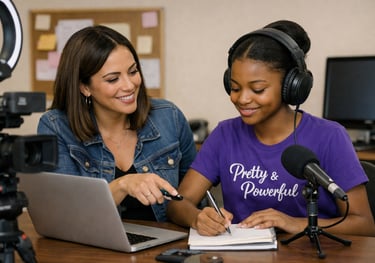
Why This Matters
The media and communications industry is growing rapidly, with increasing demand for skilled content creators, journalists, and digital media professionals. This CTE program provides students with:
In-demand skills for high-wage, high-skill careers
Hands-on experience with industry-standard tools and practices
Career exploration and pathway development
Credential and certification opportunities
Foundation for post-secondary education in journalism, broadcasting, and digital media
Real-world application through projects and portfolio development
Students who complete this program are prepared for entry-level positions in media organizations, freelance content creation, or further education in journalism and communications.
Program Benefits
For Participants (Students)
Career-Ready Skills: Master industry-standard tools, develop technical expertise, and build professional portfolios for college and job applications
Critical Thinking & Media Literacy: Learn to identify bias, evaluate sources, and understand media's role in democracy and social change
Confidence & Self-Expression: Build authentic voice, amplify community stories, and develop sense of purpose through creative media projects
High-Wage Career Pathways: Gain competitive advantage in growing fields (digital media, content creation, journalism) with mentorship and networking opportunities
For Organizations (Schools, Nonprofits, Community Centers)
Improved Student Outcomes: Boost engagement, academic performance, graduation rates, and college/career readiness through hands-on, project-based learning
Alignment with Standards: Meets CTE, Common Core, and SEL requirements while supporting college and career readiness initiatives
Cost-Effective & Flexible: Affordable alternative to hiring full-time instructors; customizable for classrooms, after-school programs, or summer camps
Strengthened Reputation & Equity: Demonstrates commitment to career pathways, amplifies underrepresented voices, and supports DEI and community partnership goals


TANL GROUP, Inc., is a 501 C-3, not-for-profit, community based agency, operating from 240 W 40TH Street, New York, NY 10018 FL 2
We'd love to hear from you! Reach out with any questions about our programs, volunteer opportunities, or how you can support our community initiatives.
GET IN TOUCH


Pretty & Powerful is a DBA of TANL Group

