
Mental Health & Journaling
Self-Care & Reflection Program
Program Overview
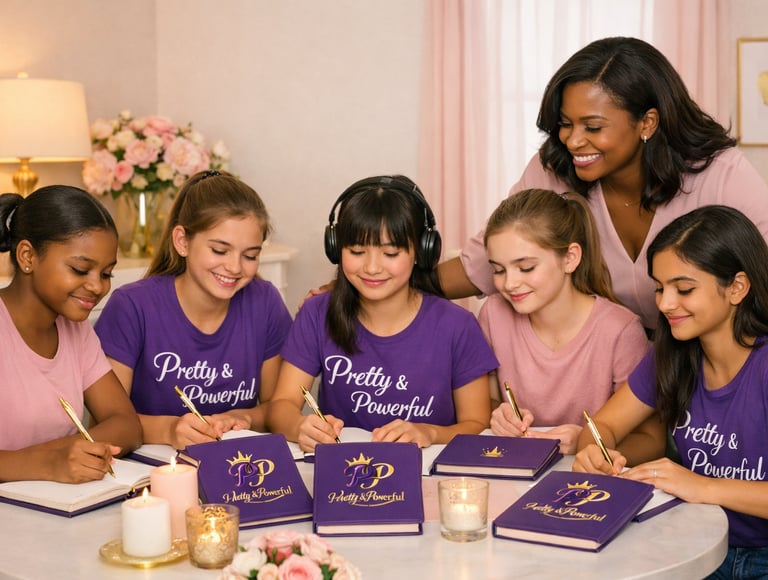
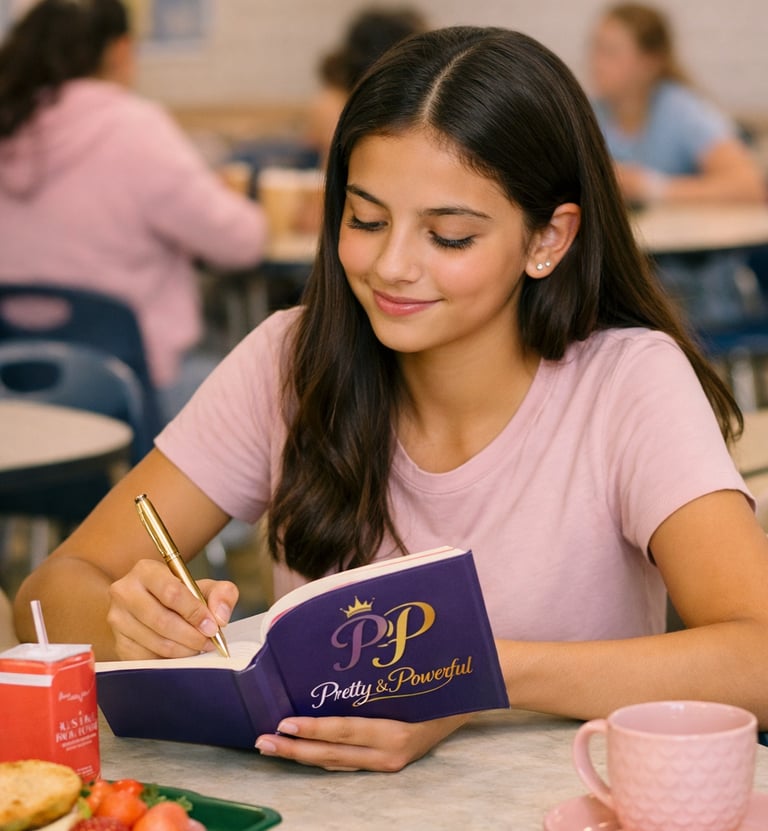
Mental Health & Journaling is an evidence-based program that empowers young people to develop emotional awareness, process difficult experiences, and build resilience through the therapeutic practice of reflective writing. This program combines mental health education with guided journaling exercises to create a safe, supportive space for self-exploration and emotional wellness.
Research demonstrates that regular journaling can reduce symptoms of depression and anxiety by 20-45%, lower stress levels, and improve overall psychological well-being. Journaling serves as a tool for emotional disclosure, allowing participants to confront past issues, organize thoughts, gain insight into patterns, and develop healthy coping strategies—all without requiring clinical treatment.
*This workshop is facilitated by a License Nurse Practitioner *Journals and Pens Provided
Program Purpose
The program is not clinical therapy but rather a preventative, wellness-focused intervention that helps young people:
Release and process emotions in a safe, judgment-free environment
Develop emotional awareness and self-understanding
Identify patterns in thoughts, feelings, and behaviors
Build coping skills for managing stress, anxiety, and depression
Cultivate resilience and emotional regulation
Explore identity and values in a supportive community setting
Reduce psychological distress through expressive writing and reflection
Core Components
1. Mental Health Foundations
Understanding mental health, emotional wellness, and psychological well-being
Recognizing signs of stress, anxiety, and depression
Understanding the mind-body connection and how emotions affect physical health
Normalizing mental health challenges and reducing stigma
Introduction to evidence-based coping strategies
2. Emotional Awareness & Expression
Identifying and naming emotions
Understanding emotional triggers and patterns
Developing healthy ways to express difficult feelings
Building emotional vocabulary and communication skills
Exploring the relationship between thoughts, feelings, and behaviors
3. Journaling Techniques & Practices
Expressive Writing: Free-writing about stressful or traumatic events to process emotions and gain insight
Gratitude Journaling: Focusing on positive experiences to cultivate optimism and life satisfaction
Mood Tracking: Monitoring emotional states to identify patterns and triggers
Reflective Prompts: Guided questions to deepen self-understanding
Visual Journaling: Using art, drawings, and creative expression alongside written reflection
Bullet Journaling: Organizing thoughts, goals, and self-care practices
4. Stress Management & Coping Skills
Identifying personal stress triggers and warning signs
Learning evidence-based stress reduction techniques
Developing personalized coping strategies
Building emotional regulation skills
Creating self-care plans and wellness routines
5. Resilience & Growth Mindset
Understanding resilience and how to build it
Benefit-finding exercises (identifying growth from difficult experiences)
Developing problem-solving skills
Building self-compassion and positive self-talk
Creating vision and goal-setting for future well-being
6. Peer Support & Community
Creating a safe, confidential space for sharing (optional)
Developing active listening and empathy skills
Building supportive peer relationships
Reducing isolation and increasing sense of belonging
Fostering a culture of mental health awareness
Learning Outcomes
Emotional & Mental Health Competencies
Emotional Awareness: Participants can identify, name, and understand their emotions with 90%+ confidence
Emotional Expression: Participants develop healthy ways to express feelings through writing and reflection
Stress Management: Participants demonstrate ability to identify stressors and apply coping strategies
Mental Health Literacy: Participants understand mental health concepts and recognize when to seek support
Resilience: Participants build capacity to manage adversity and bounce back from challenges
Practical Skills
Journaling Proficiency: Participants can engage in multiple journaling styles and sustain regular practice
Self-Reflection: Participants develop ability to reflect on experiences and identify patterns
Problem-Solving: Participants apply reflective thinking to address challenges
Self-Care: Participants create and maintain personalized wellness routines
Communication: Participants improve ability to express emotions and needs to others
Social-Emotional Development
Self-Awareness: Deep understanding of personal values, strengths, and areas for growth
Self-Regulation: Ability to manage emotions and responses to stressors
Social Awareness: Empathy and understanding of others' experiences
Relationship Skills: Ability to communicate and connect authentically with peers
Responsible Decision-Making: Using reflection to make thoughtful choices


Research Rationale
Journaling is an evidence-based practice with strong research support for mental health benefits:
Emotional Processing: Writing about stressful events helps process emotions and gain insight
Stress Reduction: Regular journaling lowers stress levels and reduces anxiety symptoms
Depression Management: Journaling interventions show significant improvements in depressive symptoms
Physical Health: Research shows journaling can improve immune function and overall health
Resilience Building: Reflective writing helps develop coping skills and emotional regulation
Particularly Effective for: Marginalized communities, LGBTQ+ youth, those with stigmatized conditions, and those who struggle with verbal expression
Program Benefits
For Participants
Reduced Mental Health Symptoms: 20-45% reduction in depression and anxiety symptoms
Emotional Processing: Safe space to confront and process difficult emotions
Stress Relief: Lower stress levels and improved sleep quality
Emotional Clarity: Better understanding of emotions, triggers, and patterns
Peer Connection: Builds sense of belonging and reduces isolation
Resilience & Empowerment: Develops capacity to manage adversity and take action
Lifelong Coping Tool: Journaling becomes sustainable wellness practice
Improved Physical Health: Research shows journaling can boost immune function
For Organizations
Improved Student Outcomes: Reduced anxiety, better engagement, improved academic performance
Alignment with Standards: Supports SEL (Social-Emotional Learning) frameworks and wellness initiatives
Preventative Approach: Addresses mental health proactively before crisis intervention needed
Supports Equity Goals: Provides mental health support to all students, especially marginalized communities
Flexible & Cost-Effective: Customizable delivery for classrooms, clubs, or after-school programs
Destigmatizes Mental Health: Normalizes mental health conversations in school/community
Builds Supportive Culture: Creates culture of emotional awareness and peer support
Evidence-Based: Grounded in research on journaling and mental health benefits



TANL GROUP, Inc., is a 501 C-3, not-for-profit, community based agency, operating from 240 W 40TH Street, New York, NY 10018 FL 2
We'd love to hear from you! Reach out with any questions about our programs, volunteer opportunities, or how you can support our community initiatives.
GET IN TOUCH


Pretty & Powerful is a DBA of TANL Group

