The Healthy Hygiene & Boundary Setting
Program Overview
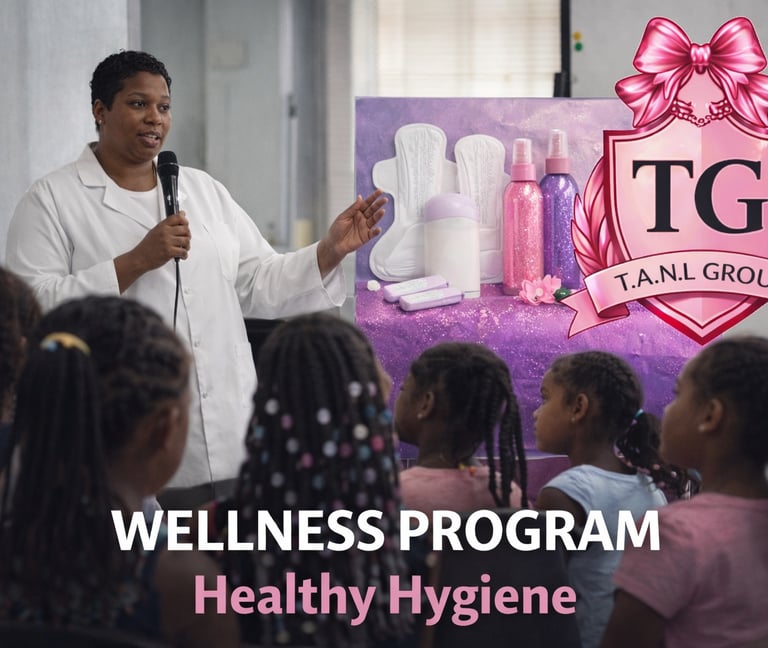
The Healthy Hygiene & Boundary Setting Workshop creates a safe, supportive space where girls and young women learn practical hygiene habits and develop essential skills to set and communicate healthy boundaries. Through open discussions, hands-on activities, and real-life scenarios, participants build confidence in their bodies, learn to advocate for themselves, and develop lifelong habits that support both physical and emotional health.This workshop recognizes that hygiene and boundaries are interconnected foundations for self-confidence, safety, and well-being, especially for girls navigating adolescence and young adulthood.
Core Components
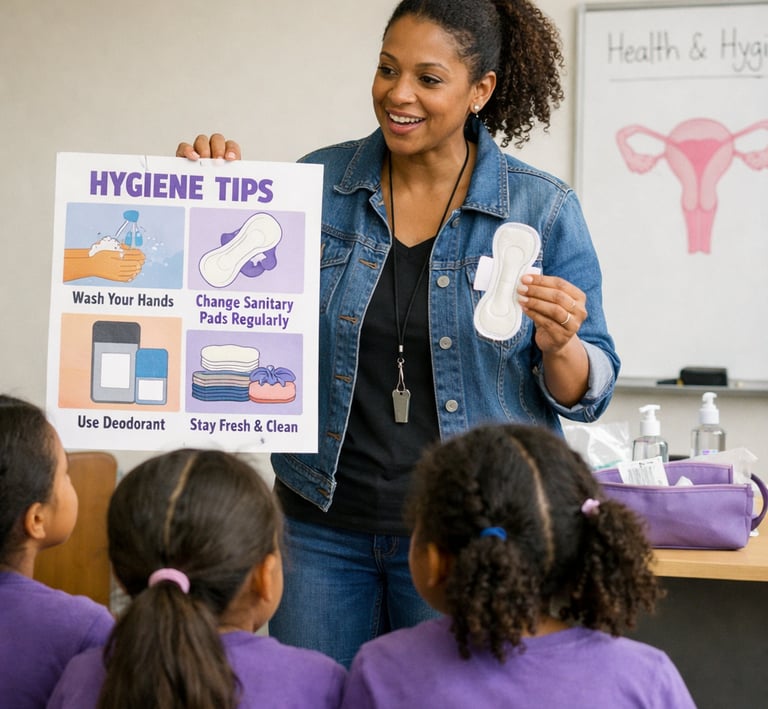
✓ Personal Hygiene Essentials Practical, age-appropriate knowledge about daily hygiene routines, health, and self-care:
Daily cleansing and skincare basics
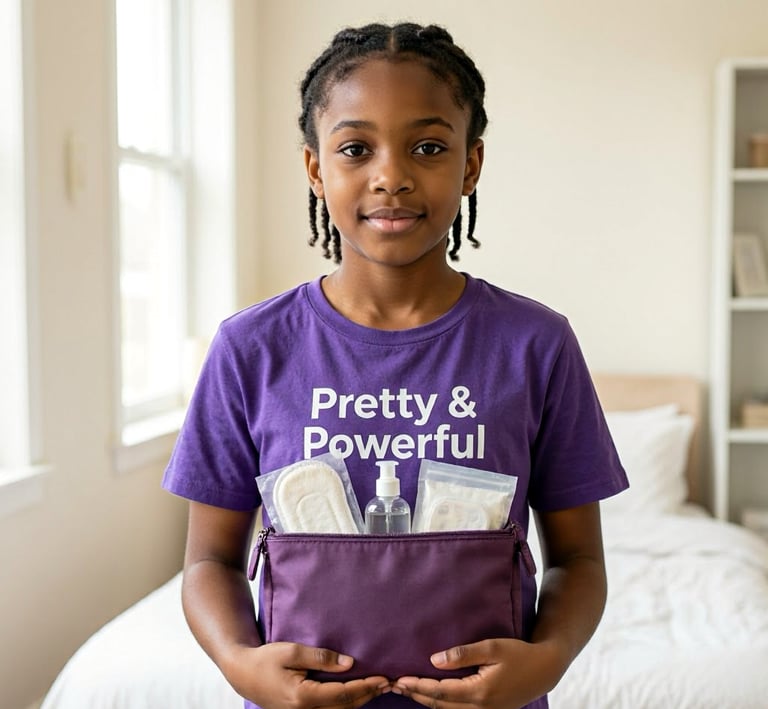
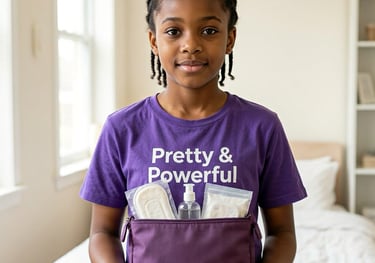
Menstrual health and product options
Dental care and oral health
Hair care and natural hair practices
Understanding body changes during puberty
When to seek medical help and health literacy
✓ Creating Healthy Routines
Building sustainable habits that support physical wellness and confidence:
Designing personalized daily hygiene routines
Understanding the connection between hygiene and self-esteem
Overcoming barriers to consistent self-care
Making hygiene accessible and affordable
Self-care as an act of self-love and respect
✓ Understanding & Communicating Boundaries
Learning to set healthy limits in multiple contexts:
Friendships: Recognizing when boundaries are crossed, saying "no" without guilt, maintaining friendships while protecting yourself. Family Relationships: Navigating privacy, personal space, and respectful communication with family members School Environments: Setting boundaries with peers and adults, reporting uncomfortable situations, advocating for yourself Online Interactions: Understanding digital privacy, recognizing inappropriate online behavior, protecting personal information, managing social media boundaries
✓ Real-Life Scenarios & Role Play
Practice boundary-setting in safe, relatable situations:
Responding to peer pressure
Handling uncomfortable comments or touches
Saying "no" to requests that make you uncomfortable
Asking for help when boundaries are violated
Navigating disagreements and conflicts respectfully
✓ Group Discussions & Q&A
Open dialogue in a judgment-free, supportive environment:
Peer-to-peer learning and shared experiences
Normalizing questions and conversations about bodies and boundaries
Building community and reducing shame or isolation
Creating space for different perspectives and experiences
✓ Building Lifelong Healthy Habits
Empowering participants to prioritize their health and well-being long-term:
Developing a personal hygiene and wellness plan
Understanding how boundaries protect mental and physical health
Building resilience and self-advocacy skills
Creating accountability and support systems
Learning Outcomes
By completing this workshop, participants will:
Develop confidence in their bodies and health decisions
Build practical hygiene skills that support physical wellness
Master boundary-setting across friendships, family, school, and online
Strengthen self-advocacy skills to recognize and respond to unsafe situations
Develop resilience through peer support and shared experiences
Create sustainable habits that support lifelong health and well-being
Why This Matters
Research shows comprehensive, supportive education about hygiene and boundaries improves self-confidence, safety awareness, mental health, and academic engagement. This workshop is trauma-informed, culturally responsive, and designed to meet girls where they are.
Program Benefits
For Participants:
Increased confidence and positive body image
Skills to recognize and respond to unsafe situations
Healthier friendships and family relationships
Reduced shame and isolation through peer support
Foundation for lifelong health and well-being
For Organizations:
Improved student safety and sense of belonging
Alignment with health education and SEL standards
Cost-effective, flexible programming
Strengthened reputation and community trust
Evidence-based approach to youth development


TANL GROUP, Inc., is a 501 C-3, not-for-profit, community based agency, operating from 240 W 40TH Street, New York, NY 10018 FL 2
We'd love to hear from you! Reach out with any questions about our programs, volunteer opportunities, or how you can support our community initiatives.
GET IN TOUCH


Pretty & Powerful is a DBA of TANL Group

